Claim $500 Off Your Roof Replacement
Restore Your Roof With Storm Damage Roof Repair in Ooltewah, TN
Severe weather can leave behind roofing damage that is obvious from the ground, but it can also create problems that are much harder for homeowners to spot. High winds can lift or remove shingles, hail can affect roofing surfaces, falling limbs can damage materials, and wind-driven rain can find vulnerable areas around flashing and roof penetrations. Even when a storm passes without an immediate interior leak, the roof may have sustained damage that deserves attention. Finding these concerns early can help homeowners understand what happened and address vulnerable areas before additional weather creates further problems.
Mountainview Roofing and Contracting, LLC provides storm damage roof repair in Ooltewah, TN, for residential properties affected by thunderstorms, wind, hail, falling debris, and heavy rain. Our team evaluates the condition of the roof, identifies visible signs of storm-related damage, and explains what we find in straightforward language. We bring more than 30 years of industry experience across roofing, carpentry, exterior installation, and home improvement, giving us the knowledge to consider both the damaged area and surrounding exterior components that may affect the property.
Storm damage roofing concerns can vary significantly from one home to another. One property may have several missing shingles after strong winds, while another may have lifted materials that remain attached but no longer provide the intended protection. Falling limbs can cause localized impact damage, and hail may leave signs that require a closer evaluation. Wind-driven rain can also expose weaknesses around flashing, valleys, vents, skylights, or other roof transitions. Because the signs are not always obvious, a careful post-storm evaluation can help clarify the condition.
We approach residential storm damage roof repair by first identifying the affected areas and determining the extent of the problem. When damage is localized, targeted repair may be appropriate. If a storm has affected a larger portion of the roofing system or exposed broader deterioration, replacement may deserve consideration. We explain repair and replacement options based on what we observe rather than assuming every storm-damaged roof requires the same response.
Our licensed and insured crews use proven installation methods and manufacturer-backed materials where applicable. We keep homeowners informed about the condition of their roof and the work being recommended. If recent severe weather has left shingles missing, roofing materials lifted, or other areas of your home vulnerable, call Mountainview Roofing and Contracting, LLC to have the damage evaluated and discuss the appropriate next step.
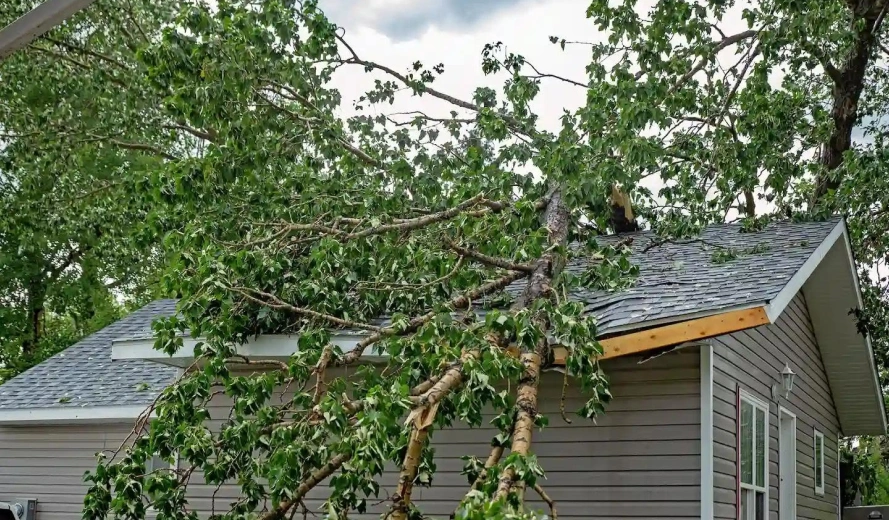
Identify Hidden Roofing Damage After Severe Weather
A storm does not have to cause a major interior leak to affect a residential roof. Roofing systems are exposed to wind, rain, hail, branches, debris, and rapid weather changes, and damage can develop in ways that are difficult to see without a closer look. After severe weather, homeowners may notice shingles in the yard, displaced roofing materials, debris on the roof, damaged gutters, or new water stains indoors. In other cases, there may be no immediate warning signs at all.
Post-storm roof inspections can help determine whether the roof has visible conditions that require attention. Our team evaluates relevant roofing areas for signs associated with storm damage and considers how the surrounding components may have been affected. The goal is to understand the condition of the property rather than assume that a roof is either undamaged or in need of complete replacement based solely on its appearance from the ground.
Wind is a common source of residential roofing damage. Strong gusts can lift shingles, loosen materials, or remove sections that were previously secure. Lifted shingles may not always be missing, which can make the damage less noticeable to a homeowner. Once roofing materials have been displaced or weakened, they may become more vulnerable during future rain or wind.
Hail can create a different set of concerns. Depending on the storm, roofing material, and impact conditions, hail may affect shingles and other exposed exterior components. Falling limbs and airborne debris can also strike roofing surfaces and create localized damage. These conditions should be evaluated based on what is actually present rather than assumptions about the severity of the storm.
Our storm-related evaluations may identify:
- Missing and lifted shingles: We check for roofing materials that have been displaced, loosened, lifted, or removed by strong winds and determine what corrective work may be appropriate.
- Wind-related roofing damage: We evaluate areas affected by severe gusts and look for visible conditions that may leave the roofing system more vulnerable to future weather.
- Hail-related concerns: We inspect accessible roofing surfaces for visible signs associated with hail and explain whether the observed condition warrants further action.
- Impact and debris damage: We examine areas affected by falling branches, limbs, or other debris that may have damaged roofing materials or created vulnerable openings.
- Water intrusion: We investigate signs of storm-related moisture and consider roofing components where wind-driven rain or damaged materials may have allowed water to enter.
- Roof transitions and flashing: We consider vulnerable areas around valleys, walls, vents, chimneys, skylights, and other transitions when they are relevant to the storm damage.
A residential storm damage roof repair should address the actual affected areas. That means understanding whether the damage is isolated or part of a larger roofing concern. When a repair can reasonably correct the damaged area, we explain the proposed work and why it is appropriate. When the damage is widespread, or the roof already has significant deterioration, we discuss why replacement may be worth considering.
Clear communication is especially important after severe weather. Homeowners may be uncertain about whether visible damage is urgent, whether a leak is related to the storm, or whether their roofing materials can be repaired. We explain what we observe and provide practical recommendations based on the roof’s condition so you can make an informed decision about your property.
Repair Storm Damage With a Clear Plan for Your Roof
Once storm damage has been identified, the next step is determining the right corrective work for the affected roofing system. Some homes may need replacement shingles or focused repairs to a limited area. Others may have damage involving flashing, roof penetrations, decking, or multiple sections of the roof. The appropriate approach depends on what the storm affected, how extensive the damage is, and the overall condition of the roofing materials.
Mountainview Roofing and Contracting, LLC takes a problem-solving approach to storm damage roofing. We look at the immediate signs of damage while also considering why a particular area may be vulnerable to moisture. A missing shingle may be straightforward, but water intrusion near a wall, valley, chimney, vent, or skylight can involve flashing and other transitions. Evaluating these areas together can provide a clearer understanding of what needs to be corrected.
Wind damage roof repair can also involve more than replacing materials that are visibly missing. Strong winds may loosen or lift roofing components without carrying them away. These areas may appear relatively normal from a distance while still requiring attention. A closer evaluation helps determine whether the roofing materials remain properly secured and whether surrounding areas show related concerns.
Similarly, hail damage roof repair recommendations should be based on the actual condition observed at the property. We inspect accessible roofing areas and explain the findings without automatically treating every hail event as a reason for replacement. Our goal is to recommend only the work that is genuinely needed.
When a storm causes more extensive damage, we also consider whether repairs provide a practical path forward. A roof with isolated storm damage may be a candidate for targeted corrective work, while widespread damage or significant existing deterioration may change the recommendation. We provide clear repair-versus-replacement guidance so homeowners understand why a particular option is being discussed.
Our experience extends beyond roofing alone. The team at Mountainview Roofing and Contracting, LLC brings more than 30 years of industry experience across roofing, carpentry, exterior installation, and home improvement. Storms can affect gutters, siding, skylights, flashing, decking, windows, doors, and other exterior components in addition to the roof. When those areas relate directly to the roofing concern, considering them can help us better understand how the property was affected.
We also believe homeowners should know what is happening throughout the project. We explain the observed damage, discuss the recommended corrective work, and keep customers informed as repairs move forward. Our licensed and insured crews use proven installation practices and manufacturer-backed materials where applicable, with careful attention to the details that help roofing components work together.
Taking action after a storm can also help prevent existing damage from becoming more disruptive. An opening caused by a missing shingle or impact may allow additional moisture to enter during the next rainfall. A lifted roofing material may become more vulnerable during another period of high wind. Addressing known damage gives homeowners an opportunity to restore vulnerable areas before the next weather event puts additional stress on the roof.
If thunderstorms, wind, hail, falling limbs, or wind-driven rain have affected your property, you do not have to determine the severity of the damage on your own. Mountainview Roofing and Contracting, LLC provides storm damage roof repair in Ooltewah, TN, with careful evaluations, honest recommendations, and clear repair-versus-replacement guidance. Call our team to discuss the condition of your roof and determine the appropriate next step after severe weather.
Frequently Asked Questions About Storm Damage Roof Repair
How can I tell if a storm damaged my roof?
Possible signs include missing or lifted shingles, roofing materials on the ground, visible impact areas, fallen limbs, damaged flashing, or new interior water stains. Some damage may be difficult to identify from the ground, so an evaluation can provide a clearer picture of the roof’s condition.
Should I have my roof inspected if I do not see visible storm damage?
If your property experienced severe wind, hail, falling debris, or another significant weather event, an evaluation can help identify visible concerns that may not be obvious from ground level. The findings can help determine whether any corrective work is appropriate.
Can wind damage a roof without removing shingles?
Yes. Strong winds can lift or loosen roofing materials without completely removing them. These conditions may be less noticeable than missing shingles but can still leave parts of the roof vulnerable to future weather.
Does storm damage always mean my roof needs to be replaced?
No. The appropriate recommendation depends on the extent of the storm damage and the overall condition of the roofing system. Localized concerns may be suitable for repair, while widespread damage or broader deterioration may make replacement worth considering.
Can you check for damage from hail and falling limbs?
Yes. We can evaluate accessible roofing areas for visible concerns associated with hail, falling limbs, debris, wind, and other storm conditions. We explain what we find and discuss appropriate repair or replacement recommendations based on the condition observed.
Restore Roofing Damaged by Severe Weather
Address wind, hail, debris, and storm damage before your roof faces more weather.